What Is Software Development Outsourcing? Benefits, Models & Cost Explained
In today’s digital world, software is everywhere, from mobile apps and websites to smart devices and business tools. However, not every company has the in-house team or expertise to develop software in-house. This is where software development outsourcing becomes valuable.
Software development outsourcing means hiring an external team or company to create software for your business. It enables companies to access skilled professionals, complete projects more efficiently, and lower costs, all while maintaining a focus on their core business activities.
This blog will guide you through everything you need to know about software outsourcing. You will learn what it is, the main benefits it offers, the different outsourcing models, how to outsource effectively, and the common pricing structures. By the end, you will have a clear understanding of how outsourcing software development can help your business grow efficiently.
What is Software Development Outsourcing
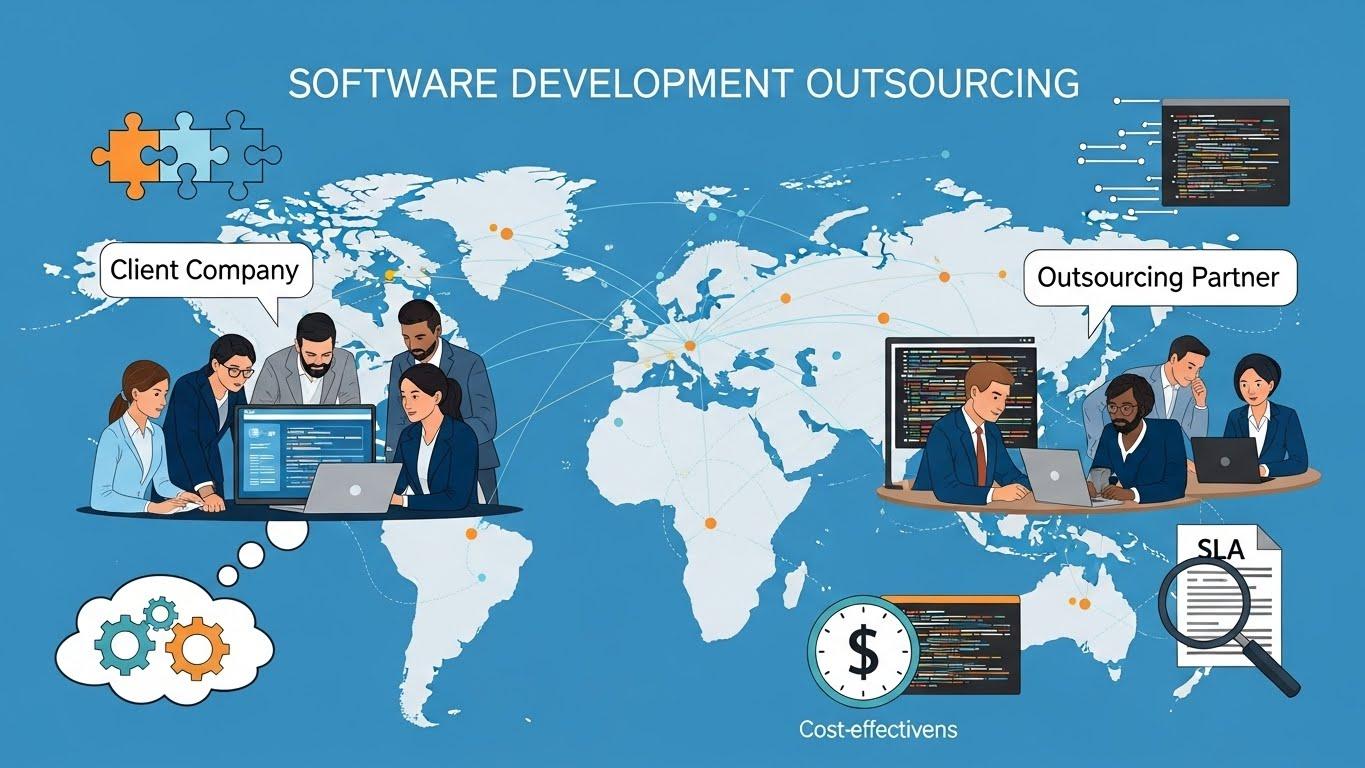
Software development outsourcing is when a company hires another company or team to create software instead of making it themselves. It is like asking experts to help you finish a project that you cannot do alone.
For example, imagine you want to build a mobile app for your business, but your team does not have app developers. Instead of hiring new employees, you can hire an external team from anywhere in the world to build it for you. This team will have the skills, tools, and experience to make the app quickly and efficiently.
Outsourcing is not limited to small projects. Companies can outsource anything from simple apps to large, complex software systems. It can also be done locally (within the same country) or globally (in other countries where it might be cheaper or more specialized).
By outsourcing software development, companies can save money, reduce workload for their staff, and get expert-quality software without having to build a team from scratch.
Key Advantages of Outsourcing Your Software Projects
Outsourcing software development comes with many benefits for businesses of all sizes. It helps companies save time, reduce costs, and get expert help without hiring full-time employees. Here are some of the main advantages:
1. Cost Savings Hiring an external team can be much cheaper than building an in-house team. You don’t have to pay for full-time salaries, office space, or equipment.
2. Access to Skilled Experts Outsourcing lets you work with developers who have experience in different technologies and industries. This means your software will be built by professionals who know best practices and the latest tools.
3. Faster Project Completion External teams often have larger or specialized resources, which can help finish projects faster. You can launch your product sooner and start gaining users or revenue.
4. Focus on Core Business By outsourcing software development, your in-house team can focus on important business activities like sales, marketing, or customer service, instead of spending time on technical work.
5. Flexibility and Scalability Outsourcing allows you to scale your team up or down depending on your project needs. You can hire more developers for a big project or reduce the team when the work is done.
In short, outsourcing software development helps companies save money, get high-quality work, and focus on growing their business.
Exploring Different Software Outsourcing Models
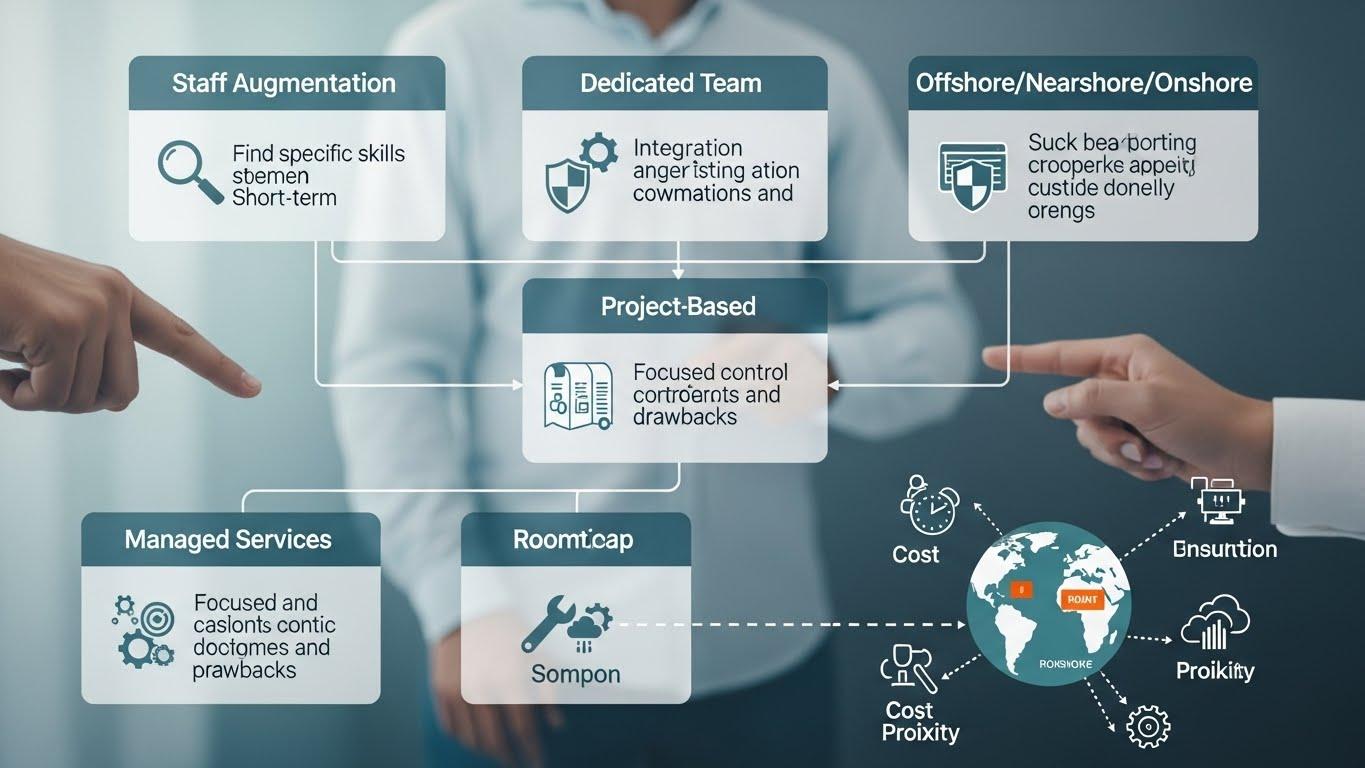
When companies outsource software development, they can choose from different outsourcing models depending on their needs, budget, and control over the project. Here are the most common ones:
1. Onshore Outsourcing Onshore outsourcing means hiring a team from the same country. This makes communication easier because everyone speaks the same language and works in the same time zone. It can be slightly more expensive but is ideal for projects that need close collaboration.
2. Offshore Outsourcing Offshore outsourcing is hiring a team from a different country, often where labor costs are lower. This helps reduce expenses and access global talent. However, time zone differences and language barriers can sometimes make communication harder.
3. Nearshore Outsourcing Nearshore outsourcing is when you hire a team from a neighboring country. It combines some benefits of both onshore and offshore outsourcing — lower costs and easier communication than offshore.
4. Dedicated Team Model In this model, a company hires a full-time team from an outsourcing provider. The team works only on your project for as long as you need them. This model is great for long-term projects that require constant development.
5. Project-Based Model Here, you outsource a specific project with a defined scope and deadline. The outsourcing company completes the project and delivers it to you. This model works well for short-term projects.
6. Staff Augmentation This model allows you to add external developers to your in-house team. It helps when you need extra help but don’t want to hire permanent employees.
Choosing the right model depends on your project size, budget, and how closely you want to work with the development team.
Best Practices for Effective Software Development Outsourcing
Outsourcing software development can be very helpful, but only if it’s done the right way. Here are some best practices to make sure your project is successful:
1. Choose the Right Partner Look for a company or team with experience in the type of software you need. Check their past projects, reviews, and expertise before hiring.
2. Communicate Clearly Good communication is key. Explain your goals, requirements, and expectations clearly. Regular updates and meetings help avoid misunderstandings.
3. Define Project Scope Before starting, make sure both sides agree on what the project includes, deadlines, and deliverables. A clear plan prevents delays and confusion.
4. Use the Right Tools Use project management tools, communication apps, and collaboration platforms to stay connected. This helps track progress and share feedback quickly.
5. Protect Your Data Sign agreements like NDAs (Non-Disclosure Agreements) to protect sensitive business information and intellectual property.
6. Start Small If you’re outsourcing for the first time, start with a small project. This helps you understand how the team works before committing to a bigger project.
Following these practices ensures that outsourcing is smooth, efficient, and delivers high-quality results.
Pricing Structures in Software Development Outsourcing
When outsourcing software development, companies can choose different pricing models. A pricing model decides how and when you pay for the work. Choosing the right one helps control your budget and avoid confusion.
Here are the most common pricing structures explained in a simple way:
| Pricing Model | What It Means | Best For |
|---|---|---|
| Fixed Price | The total cost is decided before the project starts | Small projects with clear requirements |
| Hourly Rate | You pay based on hours worked | Projects with changing needs |
| Dedicated Team | You pay monthly for a full-time team | Long-term projects |
| Time & Material | Pay for time and resources used | Flexible and ongoing work |
Fixed Price Model In this model, the project cost and timeline are decided in advance. It works well when the project details are clear and unlikely to change.
Hourly Rate Model Here, you pay for the number of hours the developers work. This model is useful when requirements may change during development.
Dedicated Team Model You hire a full team that works only on your project. This model gives better control and is ideal for long-term software development.
Time & Material Model You pay based on the actual time spent and materials used. This model offers flexibility and transparency for evolving projects.
Choosing the right pricing model depends on your project size, budget, and how flexible your requirements are.
Final Thoughts on Software Development Outsourcing
Software development outsourcing is a smart option for businesses that want high-quality software without building a large in-house team. It helps companies save money, access skilled professionals, and complete projects faster.
By understanding what outsourcing is, its benefits, different outsourcing models, best practices, and pricing structures, businesses can make better decisions. Choosing the right outsourcing partner and pricing model plays an important role in the success of a project.
When done correctly, outsourcing is not just about saving costs. It is about building strong partnerships, using expert knowledge, and focusing on business growth. Whether you are a startup or a growing company, software development outsourcing can help you turn your ideas into reality in a simple and efficient way.