Popular Programming Languages for Web Development in 2026
Are you just starting to build mobile apps or websites? At first, it can feel confusing because there are so many programming languages and tools to choose from. New technologies keep coming out, and that can make learning feel hard. This guide is here to help you understand things step by step. In this article, you will learn about the most popular front-end programming languages used in 2026. Before that, let us first understand what front-end development means.
Front-end development is the part of a website or app that people can see and use. It includes things like buttons, colors, text, images, and menus. To build these parts, developers mostly use HTML, CSS, and JavaScript. These languages help create a website that looks good and works smoothly. Many developers also use tools like WordPress and Joomla to make their work faster and easier.
Front-end programming languages help turn ideas into real websites and apps. Front-end developers use them to design pages that are attractive and easy to use. Their main goal is to make sure users can move around the website easily and enjoy using it.
What Are Front-End Development Languages?
Front-end development languages are used to build the part of a website that users can see and use. This includes the design, buttons, menus, images, and overall look of a website. Web developers use these languages to improve the user interface and user experience, also known as UI and UX.
The most common front-end development languages are HTML, CSS, and JavaScript. These languages are widely used because they are easy to learn and very powerful when used together.
HTML helps organize the content on a website, such as headings, paragraphs, and images. CSS is used to add colors, fonts, and layout styles, making the website look attractive. JavaScript adds actions and movement, like buttons that respond when clicked or forms that show messages.
In some cases, developers may also use SQL for special purposes. This can include showing live data on a webpage or creating charts and visuals using information from a database.
All these front-end programming languages work together to create websites that are easy to use and fun to explore. If you want to learn more about front-end development, joining an online web development course can help you build strong skills step by step.
What Are the Trends of Front-End Development in 2026?
Are you excited to know how front-end development will change in the future? In 2026, websites and apps will become smarter, faster, and easier to use. New tools and technologies will help developers create better designs and smoother user experiences.
Front-end trends in 2026 will focus on clean designs, quick loading speed, and easy navigation. Developers will work more on making websites user-friendly so people of all ages can use them without trouble. These trends will set new standards for how websites look and how users interact with them.
Single-Page Applications (SPAs)
By 2026, Single-Page Applications, also called SPAs, are expected to become more popular than Multi-Page Applications. In an SPA, the website loads only once at the beginning. After that, new content appears without reloading the page when users click or scroll. This makes the website faster and smoother to use. Unlike traditional websites that reload a new page every time, SPAs give users a quick and seamless experience.
Motion UI
Today, people spend only a few seconds on a website before deciding whether to stay or leave. Because attention spans are getting shorter, businesses need better ways to keep users engaged. Motion UI is becoming a major front-end trend in 2026. It uses simple animations, transitions, and movement to make websites more interesting. Motion UI helps guide users, show actions clearly, and improve the overall user experience.
JAMStack
JAMStack is becoming a powerful trend in front-end development in 2026. The word JAM stands for JavaScript, APIs, and Markup like HTML and CSS. This approach helps developers build fast and secure websites. Content is already prepared in advance and delivered through fast networks called CDNs. JavaScript and APIs are then used to add interactive features. JAMStack makes websites load faster and work better for users.
Micro Front-Ends
Micro Front-Ends are changing how large websites are built in 2026. Instead of creating one big front-end system, developers divide it into smaller parts. Each part has its own code and team and can work independently. This makes development easier and faster. Micro Front-Ends also allow teams to update one section without affecting the entire website, which improves performance and flexibility.
Virtual Reality (VR) and Augmented Reality (AR)
Virtual Reality and Augmented Reality are growing fast and will play a big role in front-end development by 2026. These technologies help create more interactive and immersive web experiences. VR can create a fully digital world, while AR adds digital elements to the real world. With better hardware and software, VR and AR will change how users explore websites and apps, helping businesses attract more users and increase engagement.
What Are the Best Front-End Languages of 2026?
To build modern, fast, and user-friendly websites in 2026, developers need strong and trusted front-end programming languages. These languages support the latest front-end trends and help create smooth, attractive designs.
In this section, we will look at the best front-end languages of 2026 that developers use to build high-quality websites and web applications.
1. HTML5
HTML5 is one of the oldest and most popular front-end languages, and it is still widely used in 2026. Over the years, HTML has improved a lot while staying important in web development. Today, almost every website uses HTML in some form.
HTML5 is great for adding videos, audio, images, and other multimedia content to websites. It also helps developers create interactive web pages and simple online games. Because HTML5 is easy to learn, beginners often start with it. It helps build fast and lightweight user interfaces, which is why it remains very useful as online games and apps become more common.
2. CSS
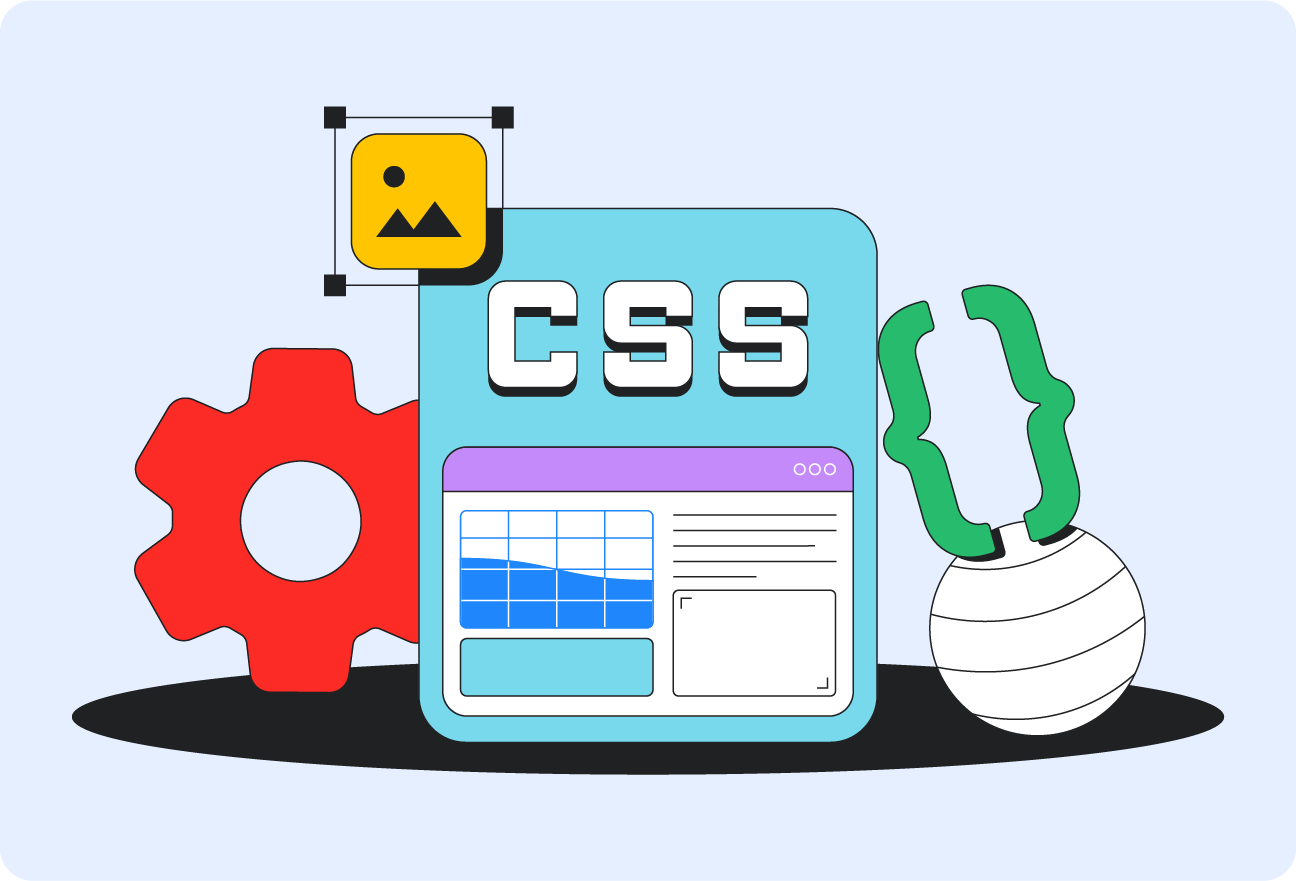
CSS, or Cascading Style Sheets, works together with HTML to make websites look beautiful. While HTML builds the structure, CSS adds colors, fonts, layouts, and designs. It helps turn a plain webpage into an attractive and user-friendly site.
CSS has simple rules and is easy to understand, even for new learners. It works well with many front-end tools and languages. Because of its flexibility and design power, CSS continues to be one of the most important front-end languages in 2026.
3. JavaScript
JavaScript is one of the most popular programming languages used to build modern websites and web apps. More than 90 percent of websites use JavaScript to add actions and updates. It helps websites respond when users click buttons, fill forms, or scroll pages.
JavaScript is also the base for many powerful frameworks and libraries. Developers love it because it is easy to write and has many free tools available. Due to its speed, flexibility, and large community, JavaScript remains a top front-end language in 2026.
4. React

React is one of the most popular front-end technologies used in 2026. It works with JavaScript and is open source, which means anyone can use it for free. Because of this, developers all over the world prefer React for building modern websites and apps.
React helps developers create small parts of a website called user interface components. These parts can be reused, which saves time and effort. Many well-known platforms like Instagram and large tech companies use React to build fast and smooth web applications.
5. Angular
Angular is a powerful front-end framework that is built using TypeScript. It helps developers create large and complex web applications more easily. Many big companies use Angular because it offers strong tools for building reliable front ends.
Angular splits work between the front end and back end, which helps websites perform better. It also comes with built-in tools that make coding simpler. Because of these features, Angular remains a strong front-end choice in 2026.
6. Vue.js
Vue.js is a free and open-source front-end framework that follows a simple design structure. It was introduced in 2014 and has become very popular for building clean and lightweight websites. Vue is especially good for creating single-page applications.
As more websites focus on speed and easy viewing, Vue.js continues to grow in popularity. One of its best features is its flexible design, which allows developers to use only what they need. This makes Vue.js a great choice for modern web development in 2026.
7. Elm
Elm is a special front-end programming language mainly used to design graphical user interfaces. It is great for building simple and clean web applications that run in a browser. Elm is known for being easy to use, fast, and reliable.
Developers like Elm because it helps create interactive web apps with fewer errors. Its simple structure makes it a good choice for front-end development, especially for beginners who want stable and smooth websites.
8. jQuery

jQuery is a popular library that works with JavaScript. It helps developers handle actions like clicks, animations, and page changes more easily. jQuery is free to use and is used by many large websites around the world.
Even in 2026, many front-end developers use jQuery to build simple and user-friendly interfaces. It makes writing JavaScript code shorter and easier, which helps speed up website development.
9. Swift
Swift is a modern programming language created by Apple. It is mainly used to build apps for iPhones, iPads, and other Apple devices. Since its launch, Swift has been updated many times to become faster and easier to use.
As more people use iOS apps, the demand for Swift developers keeps growing. Swift has replaced older Apple languages and is now one of the best choices for front-end app development in 2026.
10. SASS
SASS is an advanced styling language that improves CSS. It works smoothly with regular CSS but offers extra features that make styling easier and more powerful.
With SASS, developers can write cleaner and more organized styles for websites and web apps. It helps save time and manage large designs better, making it a popular front-end tool in 2026.
Conclusion
Creating a good front-end takes time and effort. It includes designing text, images, sounds, animations, and layouts that work smoothly with the back-end of a website or app. All these parts must come together to give users a great experience.
As technology grows, new front-end tools and languages will continue to improve how websites and apps look and feel. To stay successful, development companies need to keep learning and updating their front-end skills. This helps them build modern, user-friendly digital products and provide better services in the future.